

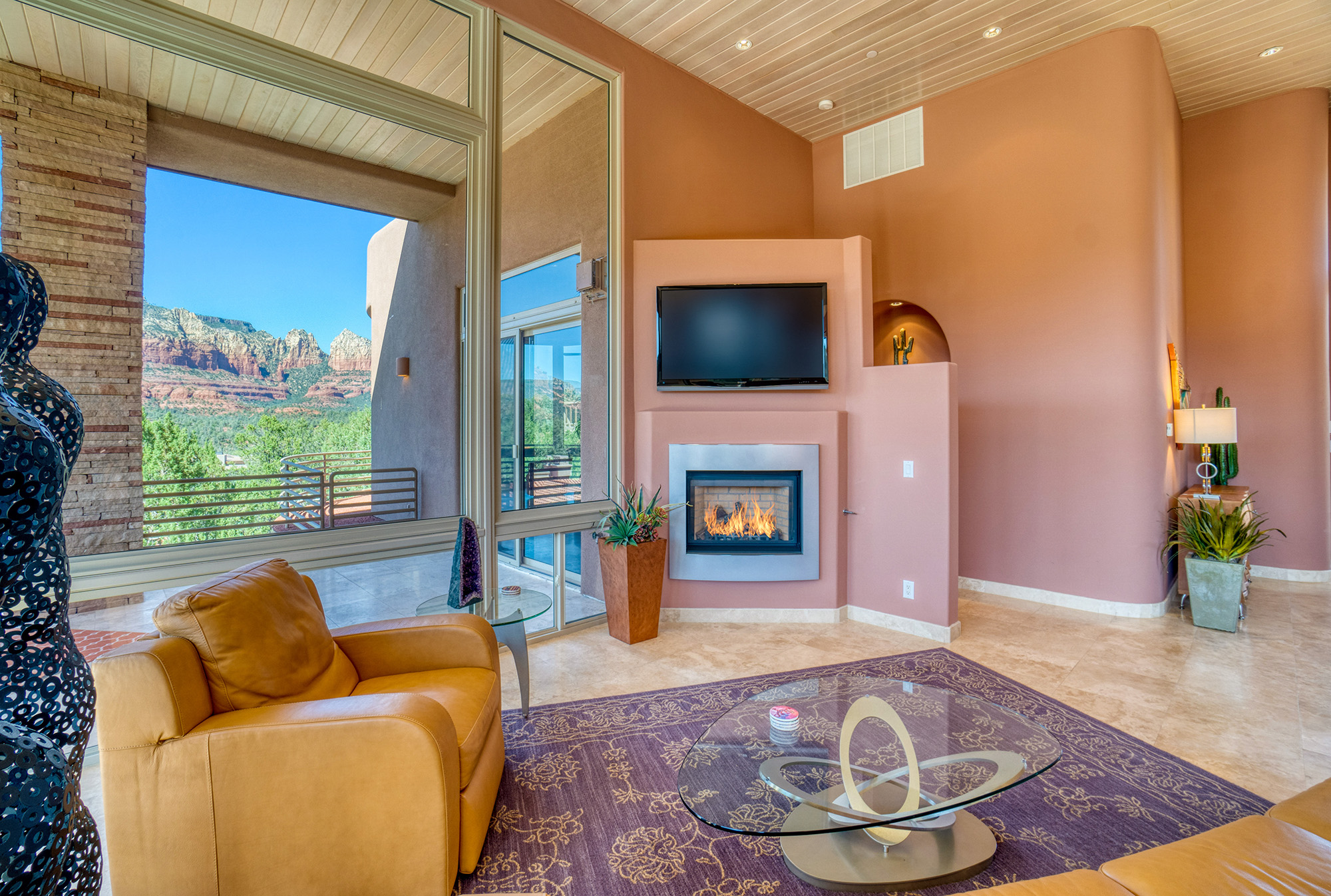
When you choose tile flooring for a Texas home, appearance is only one part of the decision. The texture of the tile can influence how a room feels, how much visual detail it adds, and how well the flooring complements the rest of the space. In a Hill Country home, where natural materials and relaxed interiors can work especially well together, selecting the right texture can help you create a cohesive look without making every room feel the same. You can explore tile flooring to compare options, or consider hardwood flooring when you want to compare different flooring surfaces.
Consider Smooth Tile for Clean, Refined Spaces
Smooth tile can give a room a clean and streamlined appearance. If you prefer a simple interior with fewer visual distractions, this type of surface can help create that effect. Smooth textures can also work well when you want other elements, such as cabinetry, furnishings, or decorative features, to remain the main focus.
You might consider a smooth finish for spaces where you want the flooring to provide a subtle foundation. Lightly textured designs can also give you a similar clean appearance while adding a little more surface variation.
Use Natural Looking Texture for Hill Country Style
If you want to bring more of a Hill Country character into your home, consider tile textures that have a natural stone or handcrafted appearance. These surfaces can introduce subtle variation and pair naturally with materials such as wood, stone, and other earthy finishes.
This does not mean you have to create a heavily rustic interior. You can use a naturally textured tile as one design element while keeping furniture and other finishes simple. The result can feel connected to the surrounding Texas landscape without becoming overly themed.
Choose Texture Based on the Room
Different rooms can benefit from different levels of visual texture. In a living area, you may prefer a surface with enough variation to add character without competing with furniture and décor. In a bathroom, you may want to pay closer attention to the feel and finish of the tile when selecting flooring and other surfaces.
You can also use texture to create subtle distinctions between spaces. A more understated tile can work in one area while a tile with greater variation creates a focal point somewhere else. This gives you flexibility without requiring every room to have a completely different design.
Balance Texture With the Rest of Your Interior
Before choosing a tile texture, look at the materials already present in the room. If you have prominent wood grain, natural stone, patterned furnishings, or detailed cabinetry, a highly textured floor may create too much visual activity. A simpler tile could provide a better balance.
On the other hand, if the rest of the room is relatively simple, a tile with natural variation can add depth without overwhelming the design. Thinking about the entire room rather than the flooring alone can help you make a more confident choice.
Find a Tile Texture That Fits Your Home
The right tile texture can help you create a flooring design that feels intentional from room to room. Whether you prefer a clean contemporary surface or a more natural look suited to a Hill Country inspired interior, consider how the texture works with the space, materials, and overall atmosphere you want to create. Ready to explore tile options for your home? Contact The Inside Story today to get started.


